Ukrainian Famine (Holodomor)
Also called: Holodomor, Soviet famine of 1932–1933
Collectivization and ruthless grain requisitioning brought famine to Ukraine and other Soviet grain lands in 1932–1933, and millions starved to death.
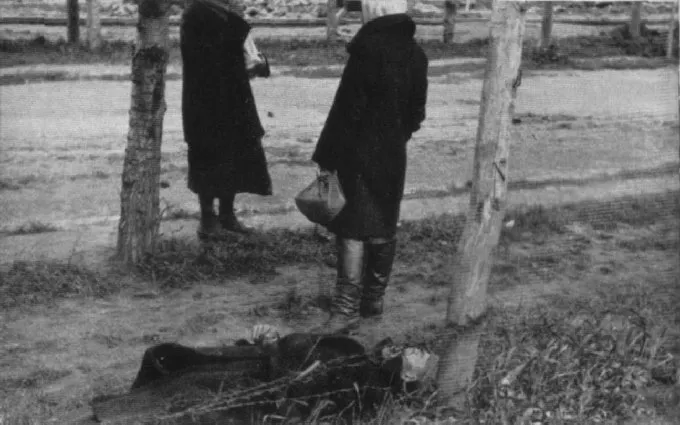
Alexander Wienerberger · Public domain · Source
Although collectivization had cut output, the Soviet government pressed on with high grain-procurement targets. A law of August 1932 imposed harsh penalties for taking even small amounts of grain from collective farms, and villages that missed their quotas were cut off from supplies of goods. In January 1933 starving peasants were barred from leaving Ukraine and the Kuban.
In Ukraine alone an estimated 3.5 to 5 million people died, and in Kazakhstan, where nomads were forced to settle, more than 1.5 million perished. The Soviet government concealed the famine and refused foreign aid. Holodomor means “killing by starvation” in Ukrainian.
Ukraine defined it by law as genocide in 2006, and parliaments in a number of countries have taken the same position; Russia rejects this, calling it a tragedy shared by many Soviet peoples. Scholars also differ on whether there was intent to target Ukrainians, though most agree that the famine was the product of policy.