King Jangsu Moves the Capital to Pyongyang
King Jangsu moved the capital from Gungnae-seong to Pyongyang and turned Goguryeo’s expansion southward.
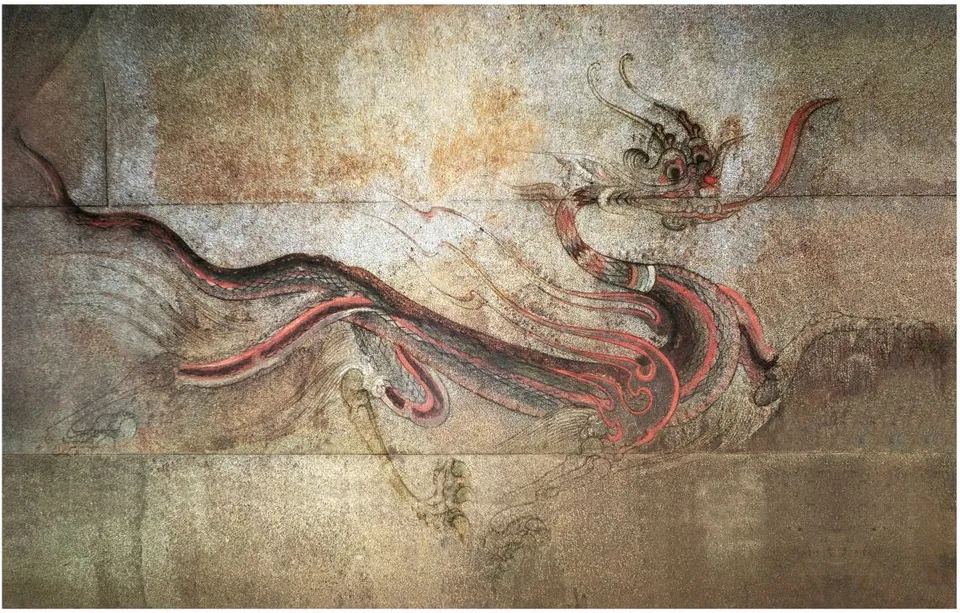
Unknown author · Public domain · Source
Heir to the lands his father Gwanggaeto had won, Jangsu moved the capital to Pyongyang on the Taedong in 427. Its plains and waterways were productive and it faced south; the move also weakened the old aristocracy rooted at Gungnae. The new capital is thought to have paired the Anhak Palace on the plain with Daeseongsan Fortress on the hill behind.
Jangsu kept the western frontier quiet by sending envoys to both Northern Wei and the Liu Song in the south, and turned Goguryeo’s expansion southward. Alarmed, Baekje and Silla allied in 433, and in 472 King Gaero of Baekje asked Northern Wei to attack Goguryeo.
In 475 Jangsu took the Baekje capital Hanseong and killed Gaero. Goguryeo reached the South Han River, where it raised the Chungju Goguryeo Stele. Pyongyang remained the capital to the end; in 586 King Pyeongwon moved the court to the new Jangan Fortress within the city.