Founding of Balhae
Dae Jo-yeong, a former Goguryeo general, founded a kingdom at Mount Dongmo. It was later called "the flourishing land in the East".
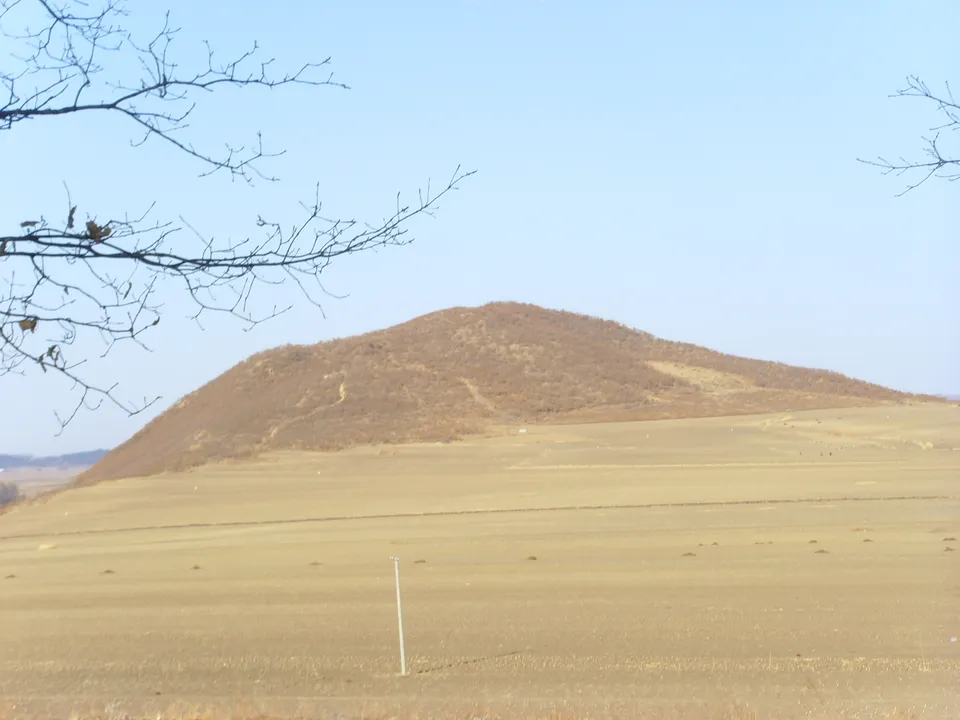
After Goguryeo fell, Tang resettled many of its people at Yingzhou (Chaoyang) in Liaoxi. When the Khitan leader Li Jinzhong rebelled against Tang in 696 and threw Yingzhou into turmoil, Dae Jo-yeong led Goguryeo refugees and Malgal people east. He routed a pursuing Tang army at Cheonmun Pass and in 698 founded a state called Jin at Mount Dongmo, near present-day Dunhua in Jilin.
In 713 Tang invested him as Prince of Bohai Commandery, and the name Balhae came into use. The ruling class was mostly of Goguryeo origin and most subjects were Malgal. King Mu told Japan that Balhae had "recovered the old lands of Goguryeo and kept the customs of Buyeo", and King Mun styled himself "King of Goryeo". Ondol floor heating and stone-chamber tombs with corbelled ceilings also carried on Goguryeo culture.
The Old Book of Tang calls Dae Jo-yeong "a branch of the Goguryeo people" and the New Book of Tang a Sumo Malgal, so his origin is debated; Korean textbooks treat him as a former Goguryeo general. Balhae’s rise opened the era of the Northern and Southern States, with Balhae in the north and Unified Silla in the south.